parent and child fostering in Gwent
Join your local fostering community in Newport, Blaenau Gwent, Torfaen, Caerphilly and Monmouthshire
what can be ordinary to you, can be extraordinary to others
We welcome enquiries for all types of fostering, but right now there’s a growing need across Gwent and Wales for parent and child fostering. It’s a role that keeps families together where it’s safe and offers support at the moment it matters most.
what is parent and child foster care?
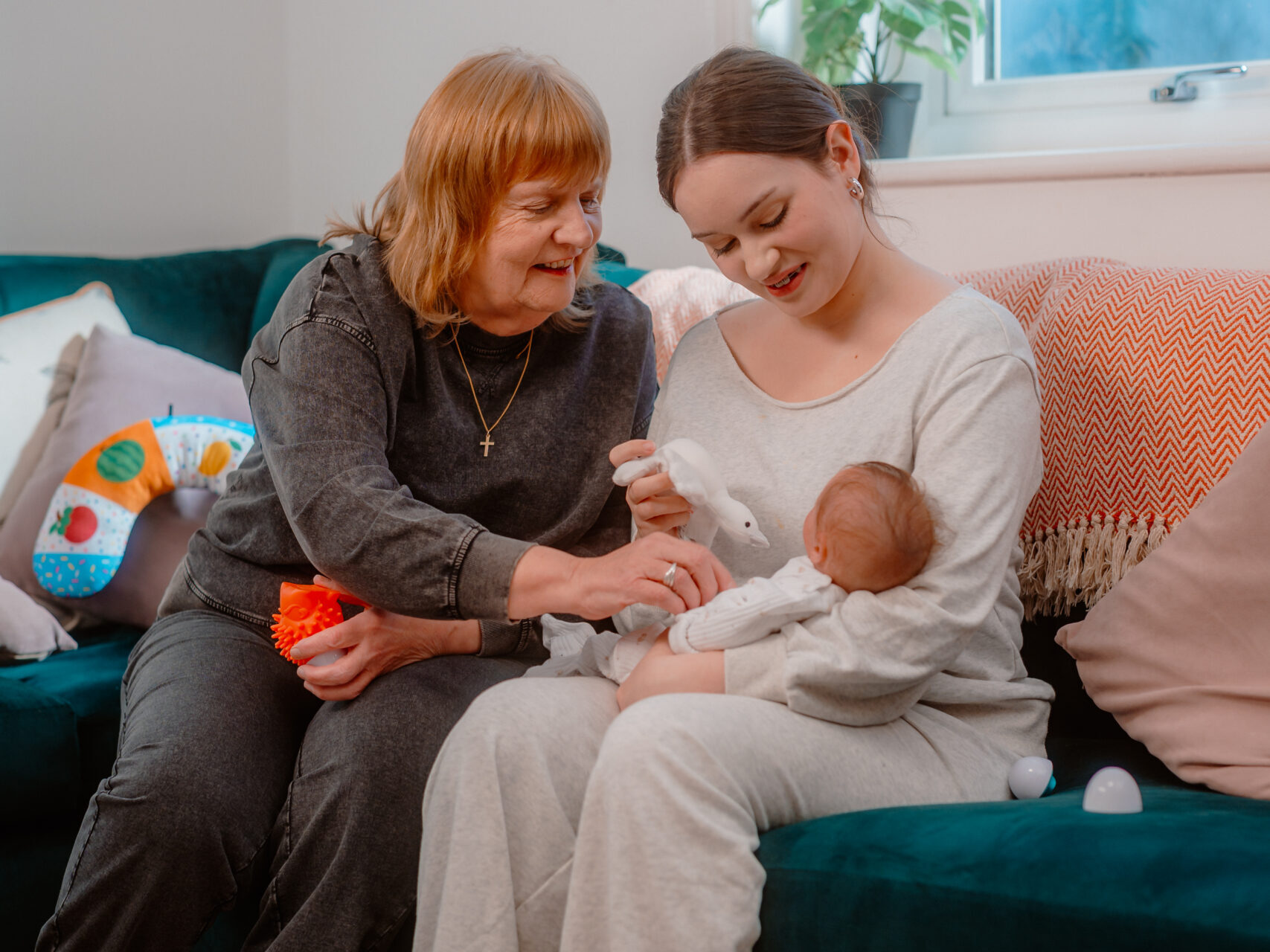
With this kind of fostering, you’ll welcome both a parent and their child into your home for a short-term arrangement, typically around 12 weeks. You help to keep families together, whilst teaching new skills, providing a listening ear and nurturing their relationship.
The goal of this specialist type of fostering is for you to care for a parent who really needs support, so they can build up the skills they need, both personally and for their child.
why parent and child fostering matters
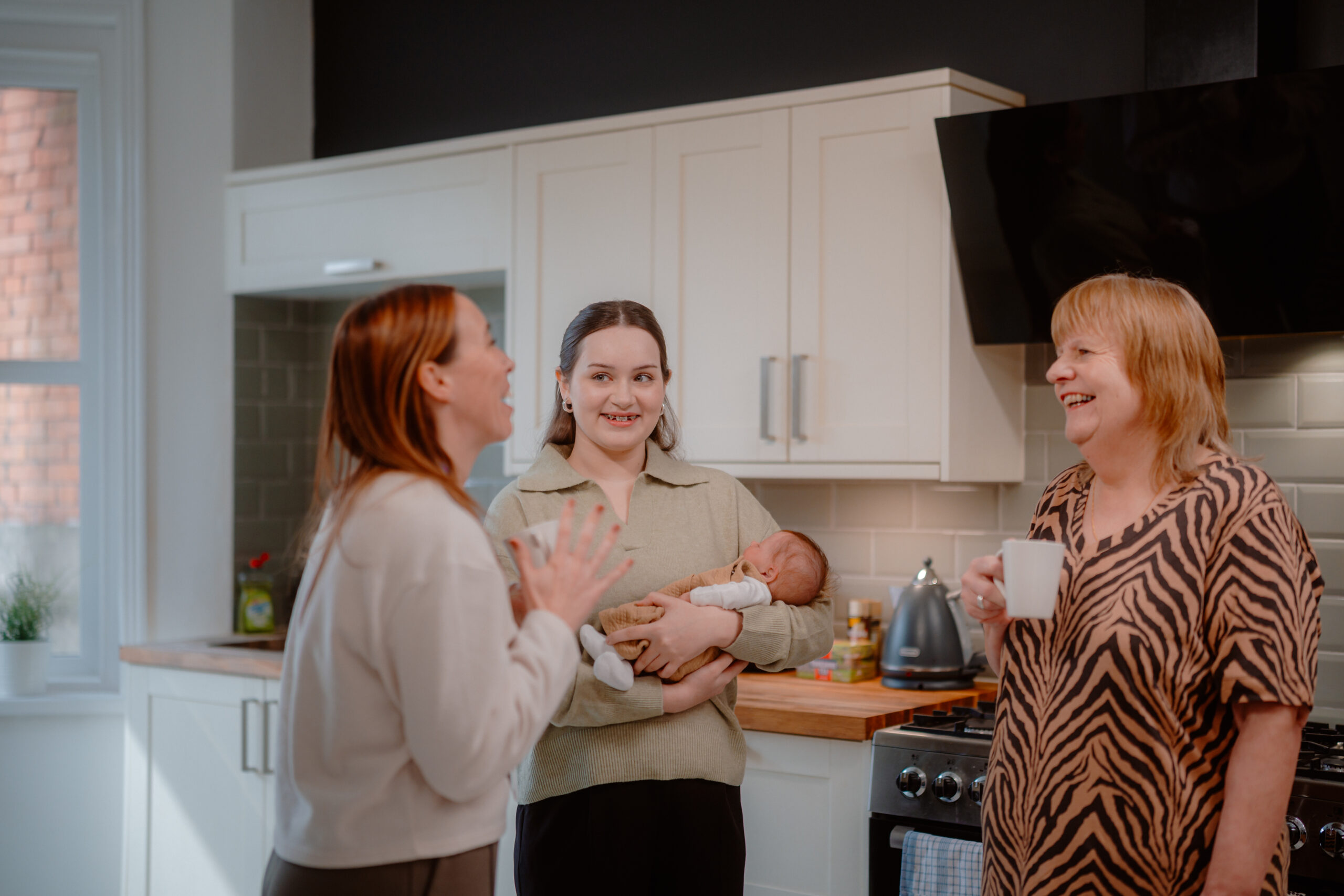
When a parent and child live with you, you give them space to breathe, learn and grow. You offer steady guidance in the everyday moments that build safety and confidence. And you won’t be doing it alone, you’ll have specialist training, regular support and a team around you
unfamiliar with parent and child fostering? we hear that a lot, and we want to change that because the impact is huge.
-
 download the parent and child fostering leaflet
download
download the parent and child fostering leaflet
download
how it works
Get in touch
Fill in the form below or give us a call. Someone from your local Foster Wales team will be in touch within two working days for an informal chat. No commitment, just a conversation.
Assessment and training
You’ll go through an assessment process with your dedicated social worker and receive specialist parent and child fostering training before anyone moves in. This covers everything from attachment and trauma responses to healthy pregnancy and building parenting confidence.
Moving in
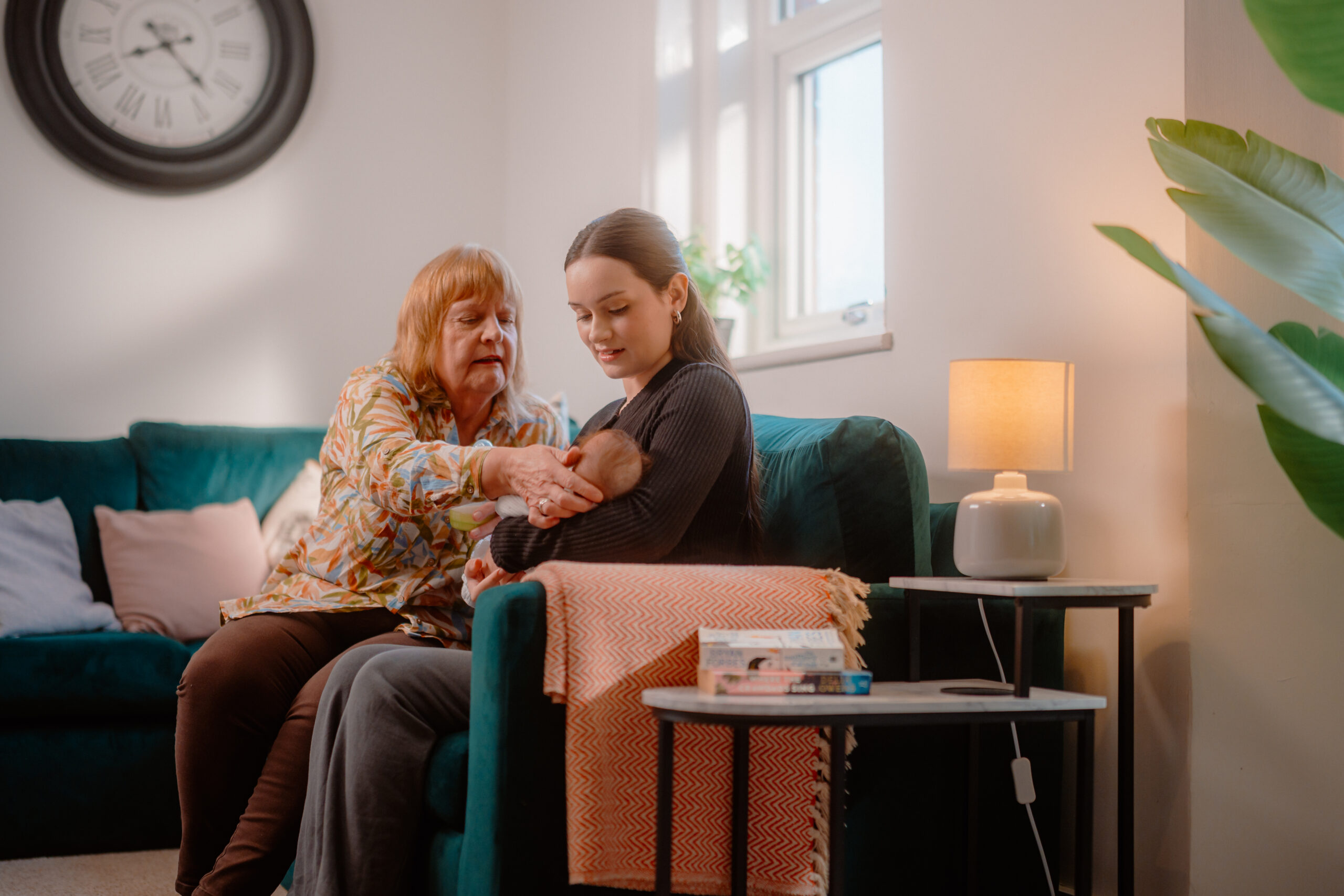
A parent and child move in for a typical period of around 12 weeks, while a formal assessment of the parent’s parenting ability is completed. Your team will be with you every step of the way – before, during and after.
Fill in the form and your local Foster Wales team in Blaenau Gwent, Caerphilly, Newport, Monmouthshire or Torfaen will be in touch shortly.

local support from the foster wales team
We will support you every step of the way, of course, with a dedicated team around you, careful planning and guidance will be in place even before a parent and child move in. There will be ongoing support throughout the 12 weeks.

parent and child fostering training
Parent and child fostering training provided by local authorities offers not only an in-depth look at the roles and responsibilities, but also topics such as healthy pregnancy, promoting attachment, and trauma responses.

financial support
Every carer is given an allowance for every person in their care alongside their fostering allowances and other benefits the local authority may offer.

community of local fostering families
You’ll join a network of carers across Blaenau Gwent, Caerphilly, Newport, Monmouthshire and Torfaen who know exactly what the role involves. Whether you want to share experiences, ask questions or simply know someone who gets it, that community is there.

friendship, social events and peer support
Foster Wales regularly brings carers together through social events, peer support groups and informal meet-ups. It’s a chance to connect with people doing the same thing you’re doing – and to enjoy it.

free local leisure passes for your household
Everyone in your household gets free access to local leisure facilities including swimming pools and gyms. It’s one of the practical ways Foster Wales recognises the commitment you make.
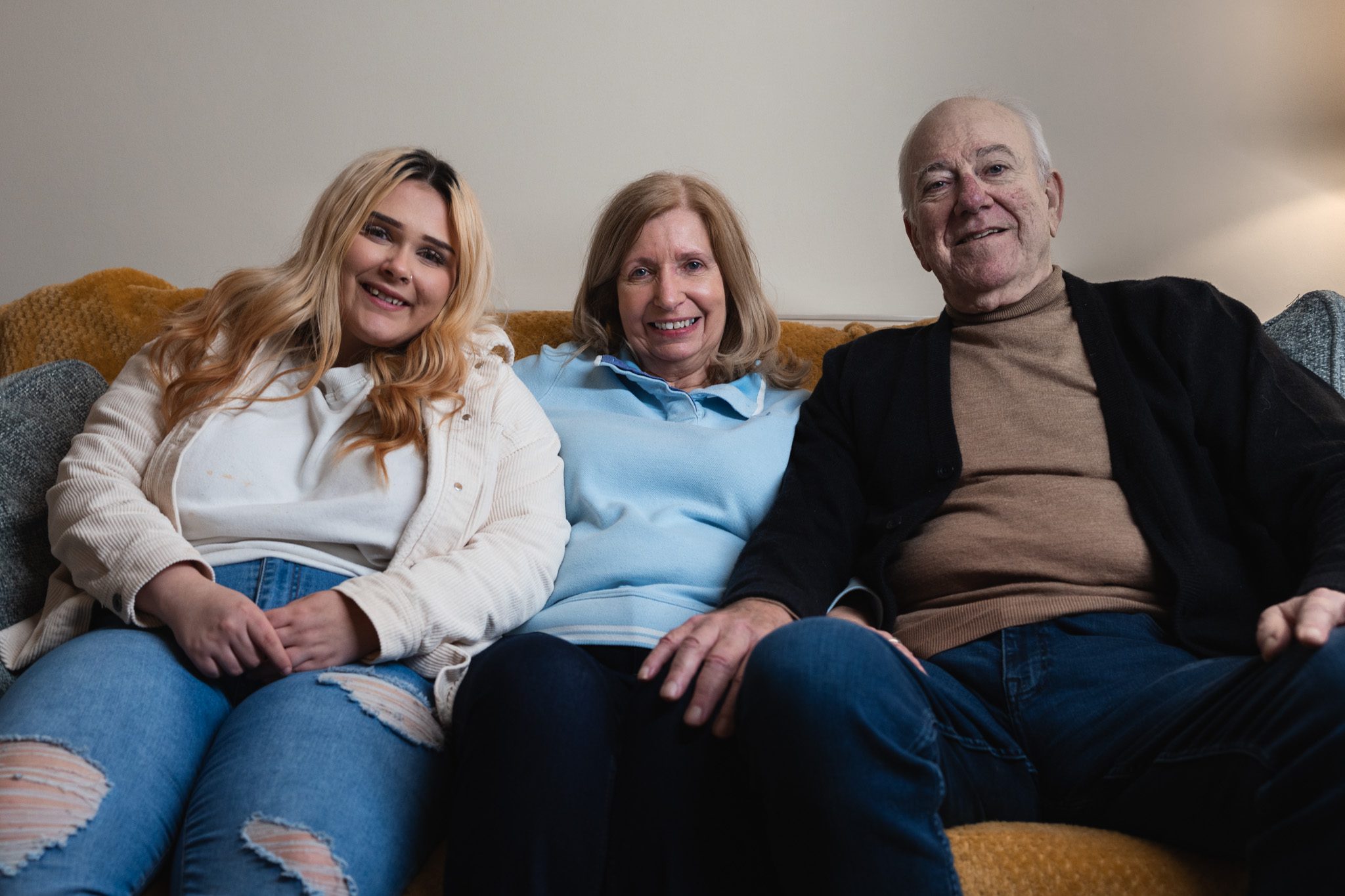
“Looking back a year ago, it makes me really emotional as to how far I’ve come.”
parent and child fostering FAQs
how long does parent and child fostering last?
Typically, parent and child fostering will be around 12 weeks, while an assessment is completed on their parenting ability. However, the foster care can be extended if the parent needs a little more time and support.
do I need a spare bedroom?
As with most fostering, you must have a spare bedroom at home for mother and baby fostering. This should be big enough to accommodate the parent and child including a bed, cot, and other furniture such as a changing table.
why are more parent and child carers needed?
Between April 2024 and March 2025, 138 parents with their children needed to be brought into care together in Wales. Only 20 of these were able to stay with local authority parent and child foster carers. Another 29 were cared for by foster carers with independent fostering agencies, often far from their local community. The remaining 74 were placed in residential care, rather than a family home environment.
Foster Wales is calling for more people who can offer this type of foster care to help increase the availability of parent and child foster care in Wales.
could parent and child fostering be right for you?
No two children are the same, and neither are the foster carers they need. At Foster Wales, we celebrate the diversity of our foster carers.
However, for mother and baby fostering, you’ll need to be confident and have experience with young children. This does not mean you must have your own birth children, but you must be able to care solely for an infant and teach another how to do so. You will need to be present at all times.
what does a parent and child foster carer do?
A parent and child foster carer will be expected to:
- Teach parenting skills like feeding, bathing and bedtime routines
- Encourage parents to give children positive attention, emotional warmth and play
- Show parents ways to have a positive bond with their children
- Model good parenting so parents can learn what their babies need and how to respond effectively
- Support parents, who may have had a difficult childhood themselves or experienced domestic violence, to build their own self-esteem, confidence and choices
- Teach household skills like budgeting and preparing meals
- Provide a safe and nurturing home environment for parents to develop their parenting skills
- Observe the parent and child’s daily interactions and progress, and keep detailed records for the assessment. Supervise, but without judgement
- Attend meetings with social workers and other support staff
- Contribute to decisions made around what happens next
is this the same as mother and baby fostering?
Parent and child fostering is sometimes known as a ‘mother and baby foster placement’ as, in most cases, these are needed for young mums who are about to or have just given birth.
However, this isn’t always the case.
Parent and child fostering could mean providing a safe space for a dad and his baby, an older mum or toddler or sometimes for both parents together, with their child.
who are the parents?
Some parents come into parent and child fostering because life has been hard. They may have grown up without support themselves. They might be living with the impact of past trauma, domestic abuse, addiction, mental health struggles or learning difficulties. Many simply haven’t had the chance to learn safe routines in a calm, stable environment.